


What is nitrate and how does it contaminate drinking water?
Nitrate is a form of nitrogen that occurs naturally in soil and water, but human sources like fertilizer, manure, and septic systems can contaminate groundwater and push levels much higher. Nitrate is tasteless and odorless, so you wouldn’t have any reason to suspect that your water is contaminated unless you’ve had it tested. EPA's limit for nitrate in drinking water is 10 milligrams per liter, and is sometimes shown as 10 ppm.
Why is nitrate harmful for infants?
Nitrate is a problem for infants because once it enters the body, it’s converted to nitrite, which makes it harder for red blood cells to carry oxygen. Because infants’ bodies are not fully developed, their blood is slower to recover from high nitrite levels, and this can lead to a health problem called blue baby syndrome where the baby’s skin, lips, or tongue can turn blue due to a lack of oxygen-rich blood.
The American Academy of Pediatrics says that water above the nitrate limit should not be used to prepare infant formula or food, or given to an infant to drink. Most reported cases of blue baby syndrome have involved formula mixed with contaminated well water, because well water doesn’t undergo the same federally mandated testing as public water supplies, so parents weren’t aware that their water was contaminated.
Many parents boil water before preparing a bottle, thinking that boiling solves all problems with their water. Boiling sterilizes the water against biological pathogens, but it does not break down chemical contaminants like nitrate. In some cases, according to EPA, boiling can make nitrate levels rise because the water evaporates and the nitrate stays behind.
Where is nitrate contamination most common?
U.S. Geological Survey (USGS) data and models show that groundwater in the High Plains, the northern Midwest, and heavily farmed areas has the highest nitrate concentrations. Public water systems are required to monitor nitrate and notify customers if it exceeds the limit, but private well owners are responsible for testing and treating their own water. Testing annually is especially important for well owners with infants because USGS studies have shown that 7% of domestic wells nationally, and more than 20% of shallow wells in agricultural areas had nitrate levels above the 10 mg/L federal limit.
Which water filters protect against nitrate?
When evaluating water filtration products, the most important thing to understand is that performance certifications are issued for individual contaminants, so you’ll need to look specifically for products that carry certifications for nitrate reduction. This information will be found on a document called the Performance Data Sheet, which lists the claims that have been certified by an accredited body such as NSF, WQA, or IAPMO.
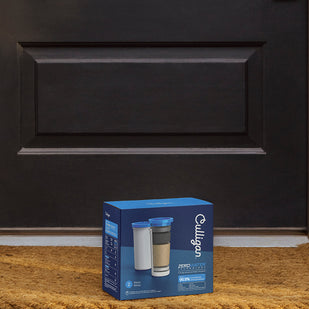
Culligan pitchers with ZeroWater technology are certified under NSF/ANSI 53 for nitrate reduction, averaging 99.1 percent in certification testing.
Frequently asked questions
Does a standard filter pitcher reduce nitrate levels in drinking water?
No. You’ll need to find a product with a nitrate-specific reduction certification that has been certified by NSF, WQA, or IAPMO.
My water is under the legal limit. Is it safe?
It meets the federal nitrate standard, which was set to protect infants against blue baby syndrome. Research on longer-term effects at lower levels is ongoing. If you are on a well, nitrate should be part of your annual well testing.


