
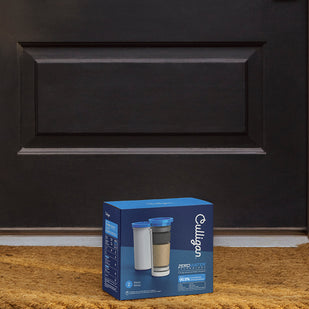

CHICAGO, IL – July 7, 2026 – College students are more intentional about their wellness than ever before, with more than 30% of Gen Z and Millennials reporting they prioritize it a lot more this year compared to last1. As students prepare to return to campus this fall, Culligan with ZeroWater Technology shines a light on a critical well-being component with its first-ever ranking of U.S. college towns by water quality. Notably, 92% of 50 college towns analyzed had at least one harmful contaminant present in its water. The study also found only 8 college towns had water that met the U.S. Environmental Protection Agency (EPA) lead level regulations and nearly one in three received a grade of "C" or lower relative to PFAS concentration.
"When students start college, many also start making independent health decisions for the first time, and water quality isn't something they easily understand, or know how to evaluate," said Julia Reardon, vice president, marketing at Culligan. "Our goal is to empower students to take greater control of this often overlooked but important aspect of their health."
The analysis of water quality data from 50 college towns nationally confirms contaminants are widespread, and the findings challenge common assumptions about water quality. For example, New York City, often regarded as having some of the nation's best tap water, ranked among the lowest-performing college towns and was the only one to receive an "F" grade for lead concentration. This underscores the many variables that influence water quality before it reaches your glass, including aging infrastructure common in large cities.
The five lowest-ranked college towns in the analysis were:
- Columbia, South Carolina
- Tempe, Arizona
- Newark, Delaware
- New York City, New York
- New Brunswick, New Jersey
The five highest-ranked college towns were:
- Morgantown, West Virginia
- Albuquerque, New Mexico
- Blacksburg, Virginia
- Boise, Idaho
- Durham, New Hampshire
No matter the ranking, students can confidently improve their water quality with filtration solutions certified to reduce contaminants such as lead and Total PFAS, like Culligan ZeroWater. For more information and to see the full rankings, click here.
Methodology
Culligan ZeroWater analyzed publicly available water quality data2 for 50 college towns in the United States. The 50 college towns were identified based on the largest university in each state by graduate and undergraduate hybrid enrollment, according to 2024 data from IPEDS3. Water was specifically evaluated for lead and 5 of the 7 forever chemicals that make up the Total PFAS family.
Scoring System:
Using publicly available data, each of the 50 identified college towns received an A–F grade for lead and for 5 members of the Total PFAS chemical family, based on the federal regulatory limits (MCLs), regulatory goals (MCLGs), and public health toxicology thresholds, where available. Lead and Total PFAS were then weighted equally and combined into a single overall score to provide a simple snapshot of local water quality and presence of these contaminants. For lead, Culligan used the "90th percentile" action level of 10 parts per billion (ppb) set in the USEPA final Lead and Copper Rule Improvements (LCRI) regulation, reduced from 15 ppb in previous years. If exceeded, the action level triggers water systems to implement corrosion control measures and to notify the public. It is not a standard for establishing a safe level of lead.
Contaminant Selection
The analysis focused on lead and five forever chemicals within the Total PFAS family (PFOS, PFOA, PFHxS, PFNA and HFPO-DA (GenX)). Lead remains a critical concern as it enters drinking water through aging infrastructure and has been the subject of regulation for decades. Conversely, PFAS, or "forever chemicals," are considered an emerging contaminant and widely recognized as human-made with growing public concern and legal scrutiny.
###
MEDIA CONTACT: Culligan International – Eileen Ziesemer, Eileen.Ziesemer@culligan.com
About Culligan International
Culligan makes a real difference to people and to the planet by providing clean, sustainable, great-tasting water services while reducing reliance on single-use plastic. Culligan is one of the world's most recognized, trusted names in water, a reputation built through a legacy of service, innovation, and quality. Founded in 1936, Culligan International operates in over 90 countries and has more than 18,000 employees worldwide. In 2024, the company reported revenue of $3.3 billion, with an average annual growth rate of approximately 34% (from 2016 to 2024). With over 22 million active installations, Culligan solutions serve more than 170 million consumers annually. This translates to an annual reduction of approximately 45 billion single-use plastic water bottles, saving almost 700 million kg of plastic and preventing more than 6 billion kg of CO₂ emissions.
The Culligan master brand includes iconic brands and innovative technologies including Quench, Zip Water, Purezza Premium Water and Culligan ZeroWater which all share a mission to bring better water to customers at work, at home, and on-the-go. For more information, visit www.culliganinternational.com or follow @HeyCulligan.


