


If getting your kids to drink enough water feels like a daily negotiation, you are not alone. Between busy schedules, sweet drinks, and kids simply forgetting to sip, hydration tends to fall through the cracks. The good news is that a few small changes can make a real difference and help your child build healthy habits that last well beyond the playground years.
Here is how much water kids actually need, plus simple, parent-approved tips to make drinking water easier and more appealing every day.
How much water should kids drink each day?
According to the American Academy of Pediatrics, daily water needs vary by age, activity level, and climate. General guidelines look like this:
- Toddlers (1 to 3 years): about 4 cups of water per day
- Young children (4 to 8 years): about 5 cups per day
- Older children (9 to 13 years): 7 to 8 cups per day
This total includes water from both beverages and foods, but plain drinking water should make up the bulk of it, especially during active play, hot weather, or long school days.
Simple tips to get kids to drink more water
1. Make it fun, because fun wins
Kids are far more likely to drink water when it feels like their choice. Let them pick out a cup or bottle featuring a favorite character, color, or design. A fun straw, a sticker chart, or a refill challenge can turn hydration into a game instead of a chore.
2. Add a little natural flavor (no, not that kind)
If plain water is not exciting enough, try infusing it with fresh fruit like strawberries, oranges, cucumber slices, or mint. It adds a hint of flavor without sugar or artificial sweeteners, and it is a great way to ease kids away from juice or soda. Starting with filtered water keeps those flavors clean and refreshing, without chlorine taste competing with the fruit.
3. Build water into the routine
Habits stick best when they are predictable. Encourage kids to drink water:
- Right after waking up
- Before playtime or sports
- With meals and snacks
- As part of the bedtime routine
When water becomes part of the schedule, kids stop seeing it as something extra and start seeing it as normal.
4. Lead by example
Kids notice everything. When they see parents reaching for water throughout the day, they are more likely to do the same. Keeping a pitcher or dispenser of filtered water visible and within reach makes grabbing a glass easy for everyone. A countertop water filter pitcher that lives front and center on the counter does a surprising amount of the reminding for you.
5. Make clean, great-tasting water the default
Taste matters, especially to kids. If water smells or tastes off, children are less likely to drink enough of it. Filtered water can reduce the impurities that affect flavor, making every sip smoother and easier to enjoy.
Clean water is also what parents want peace of mind about. If you have ever wondered what is actually in your tap water, our explainer on forever chemicals (PFAS) and what they mean for your water is a helpful place to start, and you can see where PFAS drinking water regulation stands in 2026 if you want the latest on the rules.
Why filtered water helps kids stay hydrated
Filtered water supports healthy hydration in a few practical ways:
- Better taste, so kids drink more without constant reminders
- Fewer impurities, since quality filtration reduces the dissolved solids that affect how water tastes
- An easy swap that encourages water over sugary drinks
Hydration supports everything from energy levels to focus and digestion, so making water the easy choice pays off across the whole day.
Make hydration easier for the whole family
Helping kids drink more water does not require constant reminders or strict rules. With fun cups, simple routines, and clean, great-tasting filtered water, hydration can become second nature.
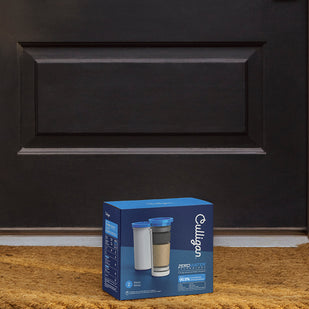
Culligan with ZeroWater Technology offers pitchers and dispensers designed to make better-tasting water easy to keep on hand for the whole family. Shop Culligan with ZeroWater Technology pitchers and dispensers to find the setup that fits your home and helps your kids sip happily every day.
Clean water. Healthy habits. Happier hydration, for everyone.
Frequently asked questions
How much water should a child drink a day?
It depends on age, activity, and climate. As a general guide from the American Academy of Pediatrics, toddlers (1 to 3 years) need about 4 cups a day, young children (4 to 8 years) about 5 cups, and older children (9 to 13 years) about 7 to 8 cups. That total includes water from food and other beverages, but plain water should make up most of it, and kids need more on hot or very active days.
Is filtered water better for kids?
Filtered water is often easier to get kids to drink because it tastes cleaner, with less chlorine flavor. Quality filtration is also certified to reduce certain contaminants that may be present in tap water, which gives parents added peace of mind. For families, the practical benefit is simple: better-tasting water usually means kids drink more of it without constant reminders.
How do I get my toddler to drink more water?
Make it easy and appealing. Offer a fun cup or straw, serve small amounts often rather than one big glass, and build water into predictable moments like waking up, mealtimes, and after play. A splash of natural fruit flavor in filtered water can help during the transition away from juice. Keeping a pitcher of filtered water visible and within reach makes water the easy default for the whole family.


