


If you have tried to reorder Berkey replacement filters recently and found them out of stock nearly everywhere, you are not imagining it. Here is a clear, accurate explanation of what is going on, and what your options are if you rely on gravity-fed water filtration at home.
Why Berkey replacement filters are hard to find
In late 2022 and into 2023, the U.S. Environmental Protection Agency issued a series of Stop Sale, Use, or Removal Orders affecting the Berkey supply chain. The orders centered on how the standalone Black Berkey replacement filters are classified under federal pesticide law, because of the silver used in the filter media.
The practical result for shoppers is an availability problem. Production of the standalone replacement filters was halted, existing inventory sold through, and the filters have been difficult or impossible to buy from authorized sellers since. This is a regulatory and availability situation, not a safety finding about the water these systems produce.
It is worth being precise about the scope. The situation applies specifically to the standalone replacement filters. If you already own a Berkey system, the challenge you are most likely running into is simply this: when your current filters are spent, replacements are hard to source.
What this means if you own a gravity water filter
Gravity-fed systems only work as long as you can replace the filters. A countertop gravity system is a long-term purchase built around a consumable filter, so ongoing access to certified replacement filters matters as much as the system itself.
If you are looking at an empty housing and no easy way to refill it, the useful question is not which brand name is on the housing. It is which replacement filter fits your system and carries independent certification for the contaminants you care about.
A certified, in-stock gravity alternative
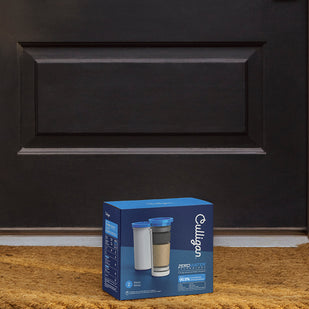
Culligan with MaxClear Technology is a gravity water filtration system, and its replacement filters are designed to fit a range of standard gravity housings. The filters are NSF/ANSI certified, with IAPMO listed as the certifying body, and are certified to reduce contaminants including Total PFAS, microplastics, and lead.
Two things are worth knowing before you switch:
- Certification is the difference that lasts. Independent NSF/ANSI certification means the reduction claims have been tested and verified by a third party. When you are choosing what to put between your tap and your glass, that verification is the point.
- Check fit before you buy. Not every filter fits every housing. Confirm which Culligan with MaxClear Technology filter matches your system before ordering.
To learn how the two compare on certification and contaminant reduction, see our comparison of Culligan with MaxClear Technology and Berkey gravity systems. To understand the contaminant side in more depth, our guide to Total PFAS in drinking water explains what these compounds are and how gravity filtration is certified to reduce them.
How to choose your next filter
If you are replacing a hard-to-source gravity filter, work through it in this order:
- Confirm what your housing needs (filter size and count).
- Check that the replacement is independently certified to reduce the contaminants that matter to you.
- Confirm the filter is actually in stock and available to reorder on a normal schedule, since a gravity system is only as good as your ability to keep it filled.
When you are ready, you can explore the full range on our gravity water filter systems, or go straight to shop Culligan with MaxClear Technology.
Berkey is a registered trademark of New Millennium Concepts, Ltd. Culligan is not affiliated with, endorsed by, or sponsored by New Millennium Concepts, Ltd. This article describes product availability and independent certification only.


