
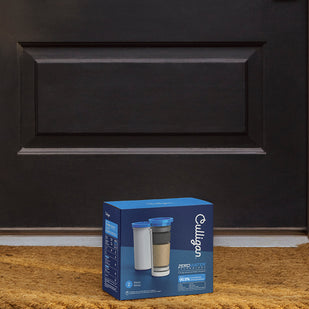

Berkey Replacement Filters: A Certified, Compatible Upgrade with Culligan with MaxClear Technology
If you’re looking for Berkey replacement filters, you’re probably in the same boat as a lot of Berkey owners: you want to keep the ease of a countertop gravity setup, but you also want a replacement you can feel confident about—performance, verification, and long-term support included.
This guide breaks down what matters when choosing a Berkey water filter replacement, how gravity filtration works, why ceramic + carbon filtration is different from carbon-only “black filter” designs, and how Culligan with MaxClear Technology fits into the Berkey-style use case.
Quick links: Culligan with MaxClear Technology Berkey compatibility · Berkey vs Culligan with MaxClear Technology · Culligan with MaxClear Technology vs Black Berkey filter comparison
What is a gravity water filtration system?
A gravity water filter system is refreshingly simple. You pour water into the top chamber, gravity pulls it through the filter, and filtered water collects in the bottom chamber—no electricity, no plumbing, and no complicated setup.
That slower drip is part of the point. In gravity systems, water spends more time moving through the filtration media, which can help the filter do its job more consistently. It’s one of the reasons countertop gravity systems—like the Berkey water filter system— have been so popular for so long.
For Berkey owners: what “replacement” really means
When someone searches “Berkey filters replacement,” they usually mean one of two things:
- A filter swap (keeping their current Berkey housing and replacing the filter elements)
- A system upgrade (moving to a new gravity system that delivers the same countertop convenience)
Culligan with MaxClear Technology is positioned as a certified and dependable gravity solution for Berkey-style use cases—countertop, electricity-free, stainless steel—and backed by verified performance standards.
If your priority is understanding what’s compatible and what to expect as a Berkey owner, start here: Culligan with MaxClear Technology Berkey compatibility.

Why third-party certification matters
If you’re comparing options and trying to find the “best” replacement, here’s the most useful filter-shopping shortcut: look for independent, third-party verification.
Culligan with MaxClear Technology gravity filters are certified by IAPMO to NSF/ANSI standards. That means key performance claims are tested and verified against established standards by an accredited organization.
Culligan with MaxClear Technology filters are certified to reduce harmful contaminants, including microplastics, lead, Total PFAS (forever chemicals), pharmaceuticals, pesticides, chlorine, and chloramine.
Want a deeper side-by-side view built specifically for Berkey shoppers? These pages do a great job of laying it out:
Ceramic + carbon filtration (what it does and why it matters)
One common misconception about gravity filters is that they all work the same way. They don’t. Culligan with MaxClear Technology uses a ceramic + carbon approach—two different filtration methods working together.
What the ceramic layer does
Ceramic filtration acts as a physical barrier. In a gravity system, this can help block fine particles as water passes through over time— the kinds of things that can show up as sediment or cloudiness depending on your water source.
What activated carbon does
Activated carbon is known for adsorbing certain chemicals that affect taste and odor—like chlorine. In gravity filtration, the slower pace helps increase contact time, which supports carbon’s ability to reduce those aesthetic offenders.
Why this is different from carbon-only “black filter” designs
If you’ve been shopping in the “black filter” category, you’ll see a lot of carbon-forward language. Ceramic + carbon is a different approach that combines physical blocking with chemical adsorption—plus third-party certification to recognized standards.
For the most direct comparison, see: Culligan with MaxClear Technology vs Black Berkey filter comparison.
Replacement options: a filter swap vs a supported system upgrade
If you’re weighing replacement filters for Berkey versus moving to a new system, the key difference is long-term simplicity. A system upgrade can give you a clear replacement cadence, a consistent place to buy filters, and a product platform that’s actively supported.
Culligan with MaxClear Technology is built for people who want to stay in gravity filtration—especially those coming from a Berkey water filtration system like a Big Berkey water filter system—but want more clarity around verification and performance.
If you’re still deciding which direction makes sense, this comparison is the best place to start: Berkey vs Culligan with MaxClear Technology.
Ready to explore options? Start here: Culligan with MaxClear Technology Berkey compatibility (and products).
How often should you replace gravity filters?
One of the most common questions from Berkey owners is how often filters should be replaced. The honest answer is: it depends on your water source and how much you use your system.
In real life, most people rely on a few practical signals:
- Flow rate: If filtration slows noticeably, it may be time to clean or replace.
- Taste and odor: If water starts tasting “off,” that’s a cue to check the filter.
- Manufacturer guidance: Always follow instructions specific to your filter model.
With Culligan with MaxClear Technology, replacement timelines are designed to be predictable and easy to manage, and many users treat changes in flow and taste as their simplest “time to replace” indicators.
We recommend changing your Culligan with MaxClear Technology filters at least every six months.
For more detail geared to Berkey shoppers, visit: Berkey vs Culligan with MaxClear Technology gravity systems.
Setup & priming: what to do before first use
Before first use, gravity filters typically need a quick prime (flush). This helps saturate filtration media and remove harmless carbon fines so you start strong from day one.
- Prime/flush the filter with clean water until saturated (follow the included instructions for your specific model).
- After assembling the system, run the first full batch of filtered water through and discard it to rinse the system.
- Refill and enjoy.
If you want a Berkey-owner-friendly overview of what to expect, start here: Culligan with MaxClear Technology Berkey compatibility.
Bottom line: choosing the best Berkey replacement path
If you’re trying to replace a Berkey setup, the goal isn’t to chase a buzzword—it’s to get reliable filtration you can keep using month after month. A smart replacement plan usually comes down to three things:
- Verified performance (ideally through third-party certification)
- Filtration approach that matches your priorities (taste, particles, targeted reductions)
- Ongoing support and availability so you’re not stuck searching again later
Culligan with MaxClear Technology is a strong fit for gravity-filter households that want a supported path forward—especially former Berkey owners who want clarity, confidence, and a system built to last.
If you've already purchased a Culligan with MaxClear Technology Scout or Venture system, make sure you're maximizing your filter slots.
Our Scout 2.25 Gallon Gravity Countertop System holds a maximum of two gravity filters and our Venture 3 Gallon Gravity Countertop System holds a maximum of three gravity filters.
Next steps:
FAQs
What’s the best Berkey water filter replacement?
The best option depends on what you mean by “replacement.” Some people want a filter swap; others want a supported gravity system upgrade. If you’re comparing performance and what you get long-term, start with: Berkey vs Culligan with MaxClear Technology.
Is Culligan with MaxClear Technology a “black Berkey replacement filter”?
It’s not positioned as a one-to-one, carbon-only “black filter.” Culligan with MaxClear Technology uses ceramic + carbon filtration and is certified by IAPMO to NSF/ANSI standards. For the clearest breakdown, see: Culligan with MaxClear Technology vs Black Berkey filter comparison.
I have a Big Berkey water filter system—where should I start?
Start with compatibility guidance and product options here: Culligan with MaxClear Technology Berkey compatibility.
How often should I replace gravity water filters?
Replacement timing depends on water quality and usage. Many people use changes in flow rate and taste/odor as practical signals, alongside manufacturer guidance. For a comparison geared to Berkey shoppers, see: Berkey vs Culligan with MaxClear Technology gravity systems.
What if I’m seeing different spellings in search results?
That’s common. Many people searching for Berkey-style gravity filtration are simply looking for a reliable, supported replacement path. Use the resources above to compare options based on verification and filtration approach—not just naming.


