

Quick Summary
- Distilled water is a type of purified water made by boiling water into steam and condensing it back into liquid (FDA).
- Purified water is a broad category that can include distillation, reverse osmosis, deionization, and other methods (FDA).
- Filtered water is water purified using filtration (for example, countertop pitchers, dispensers, and gravity water filter systems).
- Distilled water can be useful for specific purposes; many households prefer countertop filtration products for everyday drinking routines.
- For best results, match the method to your goal: taste, convenience, and confidence in everyday drinking water.
Distilled Water vs Purified Water: What’s the Difference (and Which Should You Drink?)
Searches like “what is distilled water”, “is purified water the same as distilled water”, and “can I drink distilled water” are common for a reason: water labels can be confusing. This guide explains how distilled and purified water compare, what “filtered” means in that context, and how to choose what fits your day-to-day routine.
Distilled vs purified water: the quick answer
Distilled water is produced by distillation: water is boiled into steam and then condensed back into liquid. Distillation is a recognized method used to produce purified bottled water (FDA).
Purified water is a broader category. Under U.S. bottled-water standards, “purified water” can be produced by processes such as distillation, reverse osmosis, or deionization (among others) (FDA). That means purified water can look a little different depending on how it was purified.
What is distilled water?
Distilled water is purified by distillation—boiling water into steam and condensing it back into liquid. Because many dissolved solids and minerals don’t evaporate with the steam, distilled water is typically very low in minerals (FDA overview).
Common uses for distilled water
- Appliances where mineral buildup can cause scale or residue (follow manufacturer guidance)
- Some medical, laboratory, and specialty applications
- Situations where very low mineral content is specifically desired
Is purified water the same as distilled water?
Not always. Distilled water is one type of purified water, but not all purified water is distilled. “Purified” can include multiple methods—distillation, reverse osmosis, deionization, and others—depending on the product (FDA).
The helpful takeaway: purification is the goal, and different purification methods are designed for different needs.
Is filtered water the same as purified water?
Filtered water is water purified using filtration (a method). Purified water is the broader category (the outcome), which can be achieved through filtration, distillation, reverse osmosis, and more (FDA).
In everyday language, people often use “purified” and “filtered” interchangeably. For accuracy (and better choosing), it helps to remember: filtered describes how the water is purified.
Is it safe to drink distilled water?
Distilled water is commonly discussed as safe for drinking by mainstream health references (for example, Healthline and Medical News Today). If you have a medical condition that affects electrolytes, hydration, or kidney function, follow clinician guidance.
Public health resources have also discussed considerations related to very low-mineral water in broader contexts (for example, WHO: Nutrients in Drinking-water and NIH / PubMed Central).
Can I drink distilled water every day?
You can, but many people choose other purification methods for everyday drinking because they better match daily routines:
- Taste preference: very low-mineral water can taste different than what many people are used to
- Convenience: countertop products can be simpler than buying and storing distilled water
- Fit: distilled water is often chosen for specific applications, while many households want a daily drinking-water solution
If you’re trying to choose a method, start with your goals and your water source. Public health guidance emphasizes understanding your situation and selecting an approach that fits (CDC drinking water resources).
Distilled vs purified vs filtered water: how to choose
Choose distilled water if you…
- Need very low-mineral water for a specific purpose
- Prefer water produced specifically through distillation
Choose purified water if you…
- Want water treated using recognized purification methods
- Prefer to confirm the method used (distilled, reverse osmosis, etc.) on the label
Choose filtered (filtration-purified) water if you…
- Want an everyday drinking-water routine built around convenience
- Prefer purifying water at home using countertop products
- Want a method designed around daily drinking habits
For context on how different treatment technologies are used, the EPA provides a plain-language overview of drinking water treatment technologies (EPA).
Do people use distilled water in gravity filtration systems?
Some people do, but it’s usually unnecessary. Gravity water filter systems are designed to purify water that needs treatment (like tap water). Using distilled water in a gravity system means filtering water that has already been purified by distillation.
A practical approach: use distilled water for applications that specifically call for it, and use countertop filtration products for everyday drinking routines.
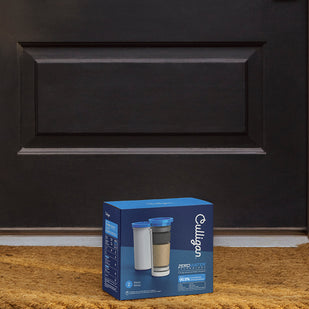
Countertop gravity filtration systems, like the Culligan with MaxClear Technology dispensers, are the ideal choice for reducing harmful contaminants from your tap water. Culligan with MaxClear Technology filtes are IAPMO-certified to reduce microplastics, lead and total PFAS, for cleaner, safer water.
Prefer an everyday option designed for daily drinking water?
Explore countertop products on shop.culligan.com:
Does distilled water go bad?
Distilled water is generally stable, but storage and handling matter—especially after opening. The FDA notes bottled water is regulated for safety, and practical handling/storage is a key part of maintaining quality (FDA).
Best practices for storing distilled water
- Keep containers sealed until needed
- Store in a cool, clean, dry place away from direct sunlight
- Avoid touching the inside of the cap or bottle opening
- Discard water that smells or looks unusual
The bottom line
Distilled water is a recognized form of purified water and can be useful for specific purposes. For everyday drinking, many households prefer filtration-based purification products—like countertop pitchers, dispensers, and gravity water filter systems—because they’re designed for daily routines.
Key Takeaways
- Distilled water is purified by distillation (steam → condensation) (FDA).
- Purified water can be produced by multiple recognized methods, including distillation and reverse osmosis (FDA).
- Filtered water describes purification via filtration—often used in countertop pitchers, dispensers, and gravity water filter systems like Culligan with MaxClear Technology.
- Different purification methods serve different needs; choose the approach that fits your routine and goals.
Explore products on shop.culligan.com
Sources (external)
- FDA: Bottled Water Everywhere: Keeping it Safe
- FDA: Regulates the Safety of Bottled Water Beverages
- CDC: Drinking Water resources
- EPA: Overview of Drinking Water Treatment Technologies
- WHO: Nutrients in Drinking-water
- NIH / PubMed Central: Demineralization of drinking water (review)
- Healthline: Can you drink distilled water?
- Medical News Today: Distilled water overview


