

Microplastics are increasingly detected in both tap and bottled water. While research is still evolving, many health-conscious homeowners want to reduce exposure where they can—starting with the water they drink every day. This guide explains what microplastics are, how they enter residential water systems, what we know about potential health implications, and how to choose a water filter that removes microplastics with confidence.
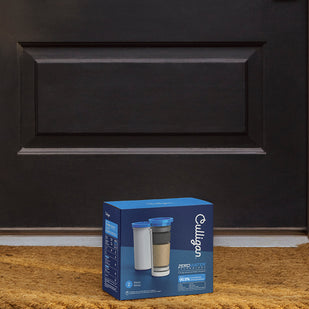
If you’re searching for the best water filter for microplastics, third-party certification is the clearest trust signal. Culligan with MaxClear Technology systems and filters are the only IAPMO certified solutions that reduce microplastics, lead, total PFAS, pharmaceuticals, and pesticides.
Quick note: This article is educational first. Product recommendations are included for readers who want a certified path forward.
Key takeaways
- Microplastics are small plastic particles that can enter drinking water through source water, aging infrastructure, and everyday plastic breakdown.
- Bottled water isn’t automatically safer—packaging and processing can contribute to microplastics contamination.
- Not all filtration is verified for microplastics. Look for third-party certification, not just marketing claims or third-party testing more generally.
-
Culligan with MaxClear Technology is IAPMO certified to reduce microplastics and other priority contaminants (lead, total PFAS, pharmaceuticals, pesticides).
What are microplastics (and why are they in our water)?
Microplastics are plastic particles smaller than 5 millimeters (about the size of a sesame seed) and often far smaller. Some are visible as tiny specks; others are microscopic. They’re generally described in two categories:
Primary microplastics
These are manufactured at small sizes for industrial applications or created as fragments during production and use. Over time, they can migrate into air, soil, and water.
Secondary microplastics
These form when larger plastic items break down from heat, UV exposure, friction, and age. Instead of dissolving, plastics fragment into smaller pieces that persist in the environment—and can make their way into drinking water.
Sources of microplastic contamination in residential water systems
Many people assume microplastics are only an ocean problem. In reality, microplastics can enter water long before it reaches your glass. Common residential pathways include:
1) Source water (rivers, lakes, reservoirs, and groundwater)
Microplastics can enter waterways through litter and waste breakdown, stormwater runoff, and wastewater discharge. Even advanced municipal treatment may not capture the smallest particles consistently.
2) Distribution infrastructure and plumbing
Aging water mains, fittings, and in-home plumbing can introduce or move particles through a system. As infrastructure ages, physical wear and water pressure changes can contribute to particulate presence in water.
3) Household microplastics and fibers in wastewater
Washing synthetic fabrics can release microfibers that enter wastewater. While this isn’t the only source of microplastics in drinking water, it’s part of how microplastics circulate through the broader environment and water cycle.

Microplastics in bottled water: not the “clean” alternative many expect
Bottled water is often chosen as a shortcut to “safer” water—but microplastics have been reported in bottled water, too. Microplastics can be introduced via packaging, processing, transport, and storage conditions. Heat and friction can accelerate the breakdown of plastic materials, which may increase the chance of particle shedding over time.
Bottom line: Whether you drink tap water or bottled water, filtration at the point of use can be a practical way to reduce potential exposure.
Health implications: why microplastics are concerning
Microplastics research is still developing, but scientists and public health experts are investigating how microplastics may interact with the body over time. Areas of concern include:
- Particle ingestion: microplastics can be swallowed and may persist as the body processes them.
- Chemical “hitchhikers”: microplastics can carry other substances on their surfaces.
- Potential biological effects: ongoing research explores inflammation and endocrine-related pathways.
Because long-term impacts are still being studied, many homeowners choose a preventive approach: reduce exposure where it’s feasible—especially in drinking water.

Do water filters remove microplastics?
Some filters may reduce larger particles, but not all filtration is designed—or verified—to reduce microplastics. The most important differentiator is third-party certification that confirms performance claims.
If you’re shopping for a microplastic water filter or looking up how to remove microplastics from water, don’t rely on “may reduce” language alone. Look for a system that has been tested and certified for microplastics reduction.
The best water filter for microplastics: why IAPMO certification matters
Certification is what turns a claim into a trust signal. Culligan with MaxClear Technology systems and filters are the only IAPMO certified solutions to reduce a set of key modern contaminants, including:
- Microplastics
- Lead
- Total PFAS
- Pharmaceuticals
- Pesticides
IAPMO certification is meaningful because it indicates performance is evaluated against established standards—not just internal testing. For homeowners, that translates to fewer assumptions and more confidence in what your filter is actually doing.
How Culligan with MaxClear Technology helps filter microplastics from water
Culligan with MaxClear Technology is designed for today’s water concerns—where particulate contaminants like microplastics can coexist with chemical contaminants such as PFAS and pharmaceuticals. Instead of focusing on a single issue, the filtration approach targets a broader set of risks that matter to health-conscious households.
If you want a certified path to reduce microplastics and other priority contaminants, explore the Culligan with MaxClear Technology collection to find the right system size for your home.

Which Culligan with MaxClear Technology system is right for you?
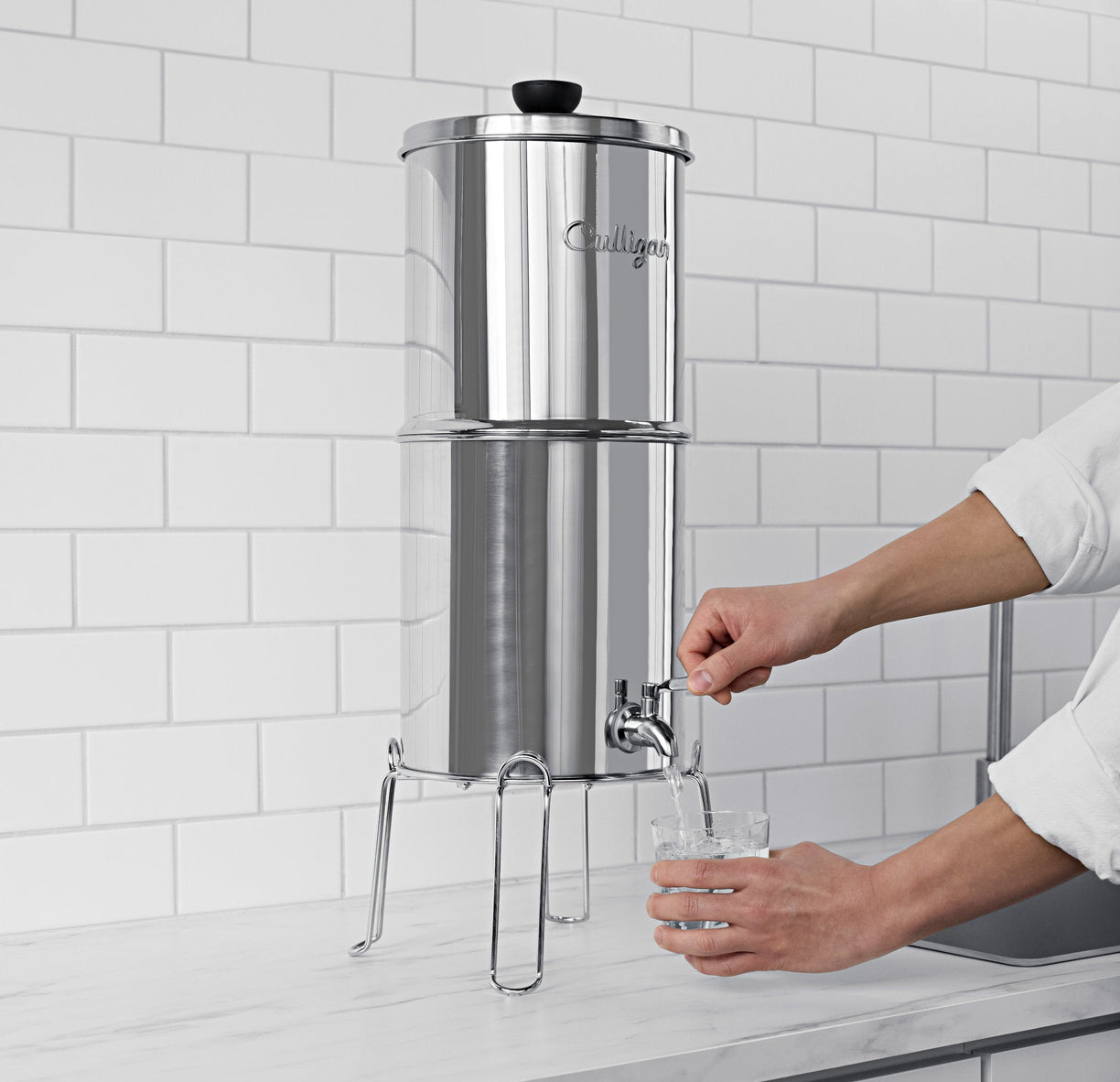
If you’re deciding between options, here are two popular gravity system sizes:
Smaller capacity option: 2-gallon system
The Culligan with MaxClear Technology Scout gravity system is a compact, countertop-friendly option for everyday use.
Larger capacity option: 3-gallon system
For higher daily water needs, the Culligan with MaxClear Technology Venture gravity system offers more capacity to keep up with families and frequent refills.
Already have a system and need a replacement filter? Shop the Culligan with MaxClear Technology replacement filter to maintain certified performance over time.
How to reduce microplastics exposure at home (beyond filtration)
Filtration is the most direct step for drinking water, but these habits can help reduce overall exposure:
- Avoid heating food in plastic containers when possible
- Choose glass or stainless-steel bottles and food storage
- Limit reliance on bottled water, especially in warm storage environments
- Use a certified drinking water filter consistently and replace filters on schedule
Frequently asked questions about microplastics and water filtration
These answers are designed to address common “People Also Ask” questions about microplastics in drinking water.
What are microplastics in drinking water?
Microplastics are tiny plastic particles that can enter drinking water through environmental pollution, degraded plastic materials, and water infrastructure. They can be present in both tap and bottled water.
Is bottled water safer than tap water for microplastics?
Bottled water is not automatically safer. Microplastics can be introduced through packaging, processing, transport, and storage. Point-of-use filtration can help reduce exposure regardless of water source.
Do water filters remove microplastics?
Some filters can reduce certain particle sizes, but effectiveness varies widely. The most reliable approach is choosing a water filter for microplastics with third-party certification verifying microplastics reduction—like Culligan with MaxClear Technology (IAPMO certified).
Can boiling water remove microplastics?
Boiling water may kill microbes, but it does not reliably remove microplastics because microplastics are physical particles that require filtration to reduce.
Does distilling water remove microplastics?
Distillation can reduce many contaminants, but it can be energy-intensive and less practical for everyday household use. For daily drinking water, a certified filtration system is often the most convenient and consistent approach.
What does IAPMO certified mean for a microplastics water filter?
IAPMO certification indicates that performance claims are verified through third-party testing against recognized standards. For consumers, that means stronger confidence that the filter reduces the contaminants it claims to reduce.
How often should I replace my filter to keep reducing microplastics?
Filter life depends on system usage and the specific product’s replacement guidance. To maintain certified performance, replace filters on schedule. You can find the correct option here: Culligan with MaxClear Technology replacement filter.
Does Culligan with MaxClear Technology reduce other contaminants too?
Yes. Culligan with MaxClear Technology systems and filters are the only IAPMO certified solutions to reduce key contaminants including microplastics, lead, total PFAS, pharmaceuticals, and pesticides.
Final thoughts: choosing a certified solution for peace of mind
Microplastics are a modern water concern found in both tap and bottled water. While research continues, many homeowners take a practical approach: reduce exposure where possible, starting with the water they drink most often.
If you’re looking for the best water filter for microplastics, choose a solution backed by third-party certification. Explore the Culligan with MaxClear Technology collection or shop a specific system: Scout (2-gallon) or Venture (3-gallon).
Sources
- National Institutes of Health (NIH) – Research on plastic particles detected in bottled water https://www.nih.gov/news-events/nih-research-matters/plastic-particles-bottled-water
- World Health Organization (WHO) – Microplastics in drinking water https://www.who.int/publications/i/item/9789241516198
- Water Research Foundation – Research on microplastics in drinking water systems https://www.waterrf.org/research/projects/microplastics-drinking-water-distribution-systems
Make Your Home a Culligan Home


Recent Blog Articles
-

Are You Drinking Microplastics? Discover the Best Water Filter for Microplastics
-
 Health Technology Water Benefits
Berkey Replacement Filters: A Certified, Compatible Upgrade with Culligan with MaxClear Technology
-
 Technology Water Benefits
Distilled vs Purified vs Filtered Water: Differences, Safety, Storage, and What to Choose
-
 Health hydration Water Benefits
5 Reasons Your Family Should Replace Bottled Water With Filtered Water
-
 Health Water Benefits
Top 8 Benefits of Cooking with Filtered Water
-
 Health hydration Water Benefits
Benefits of Hydration on Skin Care
-
 Health
Forever Chemicals, PFAS, & Water Contamination
-
 Health Water Benefits
Spooky Water Contamination Facts
-
 Health hydration Technology
Benefits of a Gravity Water Filtration System
-
 Press Releases
Introducing Culligan with ZeroWater Technology


