
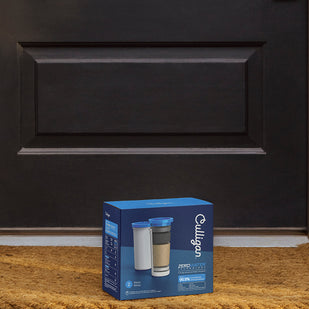

Parent-approved filtration
One less thing to worry about.
Certified to reduce both Total PFAS and nitrates for peace of mind in every sip.
Parents agree - it's the easiest decision you can make for your family


Do you know what’s lurking in their water?

Nitrates
Infants process nitrates differently than older children and adults, which is why many parents pay closer attention to nitrate levels when choosing water for their family.

Total PFAS
Children are especially vulnerable to Total PFAS in drinking water because their bodies are still developing. Research has linked PFAS exposure to potential effects on immune response and physical development.

Lead
When lead gets into drinking water, it can pose serious risks for young children. Even low levels of exposure can affect brain development, learning, behavior and growth. Because their bodies are still growing, reducing lead exposure is especially important during childhood.

Pesticides
Pesticides used on farms, lawns and gardens can make their way into drinking water. Because children drink more water relative to their body weight and are still developing, exposure to certain pesticides may be associated with developmental, neurological and other health effects.
Not all filters are equal:
| Certified to reduce |

|

|
|---|---|---|
| Nitrates | ||
| Total PFAS (forever chemicals) | ||
| Lead | ||
| Pesticides | ||
| Pharmaceuticals |
*Brita is a trademark of Brita LP. As of 3/1/2025 Brita® Performance Data Sheets.
The affordable parenting hack
| Product | Price |
|---|---|
| Culligan Pitcher (+2 filters) | $72 |
| ABC Baby Water (25 pack) | $1,260 |
| PURE Life Baby Water (8pack) | $350 |
| PURE Life Baby Water (Gallon Jug) | $207 |
Assumptions: In the first year of life, a formula-fed baby will consumer ~80 gallons of purified water.
Prices pulled from Amazon.com Sept 2026.


Featured in WIRED
"...certified to remove the most troublesome contaminants from your water — including PFAS, PFOA "forever chemicals," and lead"
Common questions about water for baby formula
Distilled water is commonly used for infant formula because the distillation process removes minerals and contaminants. Filtered water offers a similar benefit without the cost or hassle of buying distilled water in bulk. Always follow your pediatrician's guidance for your child's specific needs.
Tap water safety depends on your local water supply. Many parents choose to filter tap water before using it for formula to reduce contaminants that can be present depending on location.
Pediatric guidance generally points to using safe, clean water — whether that's filtered, distilled, or tested tap water — mixed according to your formula's instructions. Filtered water offers a convenient, cost-effective option compared to buying distilled or bottled water repeatedly.